What Is Industrial Mixing? Definition, Types, and Benefits for Manufacturing
What is industrial mixing? Explore mixer types, benefits, and how PT Rho Sigma Trijaya engineers reliable mixing solutions for your industry
In manufacturing, industrial mixing is one of the most critical stages that determines the final quality of a product. From chemical processing and pharmaceuticals to food and beverage, cosmetics, paints, and wastewater treatment, nearly every production process depends on the right mixing system to blend raw materials into a homogeneous, stable, and consistent result.
This article explains what industrial mixing is, the main types of mixing equipment used across industries, and how to select the right machine for your production needs.
What Is Industrial Mixing?
Industrial mixing is the process of combining two or more materials — solids, liquids, or gases — using mechanical equipment at an industrial scale, with the goal of producing a homogeneous, stable mixture that meets specific product requirements. Unlike laboratory-scale mixing, industrial mixing systems are engineered to handle large volumes continuously or in batches, while maintaining high precision and energy efficiency.
Several core mechanisms are typically involved:
- Mechanical mixing using a rotating agitator or impeller to create turbulent flow.
- Dispersion, which spreads solid particles or liquid droplets evenly throughout a liquid phase.
- Emulsification, used to blend two naturally immiscible liquids, such as oil and water.
- Homogenization, which produces a uniform texture and consistency in the final product.
Why Industrial Mixing Matters
The quality of the mixing process has a direct impact on the final product. Here's why industrial mixing should never be treated as a minor step:
- Product consistency — Uneven mixing can cause quality variation between production batches.
- Time and cost efficiency — A well-designed mixer speeds up homogenization and reduces overall production cycle time.
- Energy efficiency — The right rotor-stator or impeller design channels energy into effective mixing rather than wasted heat or unnecessary turbulence.
- Regulatory compliance — In sectors like pharmaceuticals and food production, mixture homogeneity is essential for safety and quality standards.
- Reduced waste and defects — Proper mixing lowers the risk of rejected batches caused by incomplete or uneven blending.
Types of Industrial Mixing Equipment
Different industries work with different materials, which is why mixing equipment varies widely. Here are the most common types of industrial mixers:
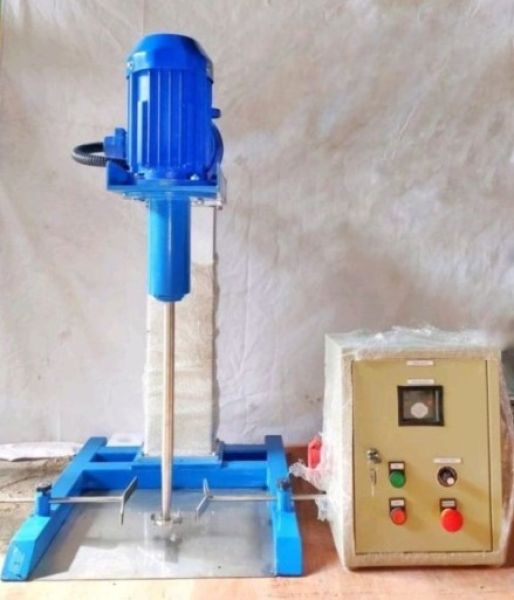
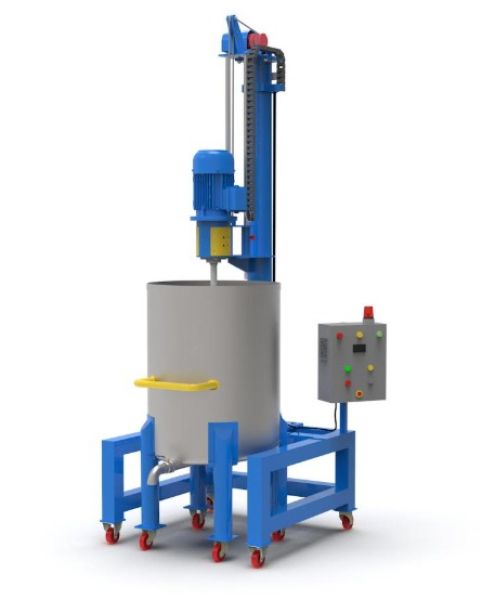
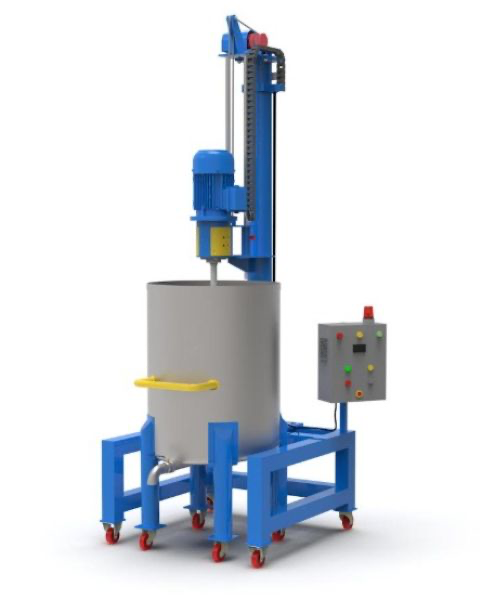
1. Tank Agitators
Agitators are used to mix liquids inside a tank, whether for simple blending, solid suspension, or supporting chemical reactions. Impeller designs — such as propeller, turbine, or anchor types — are selected based on liquid viscosity and process requirements.
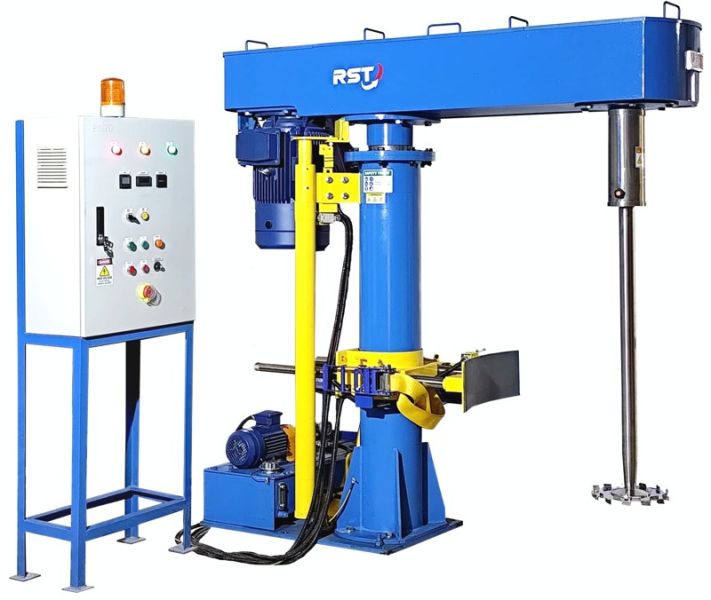
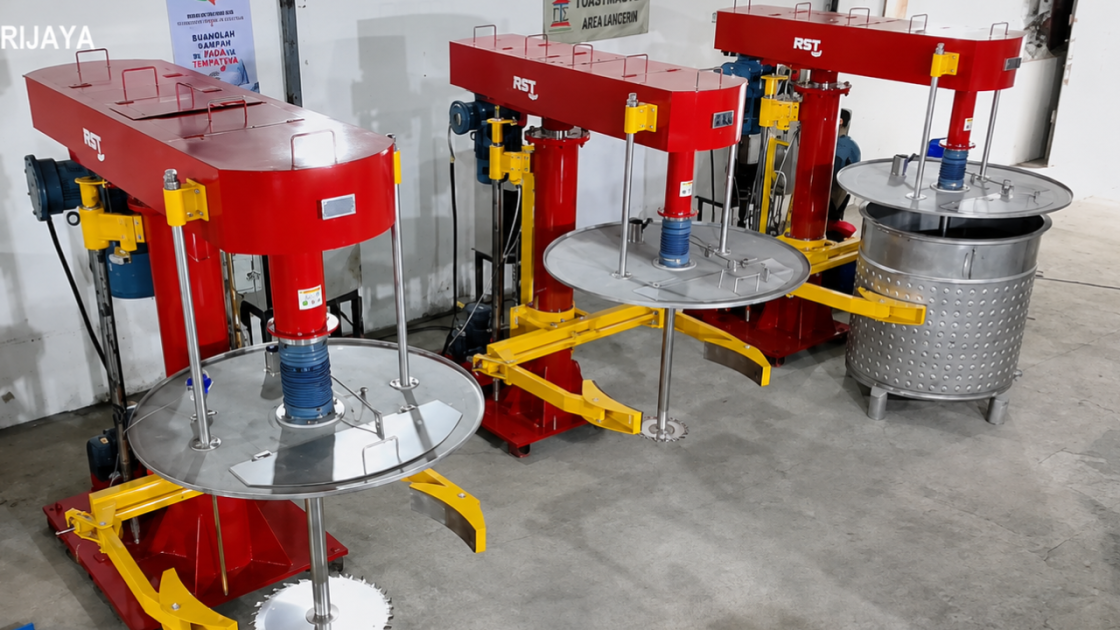
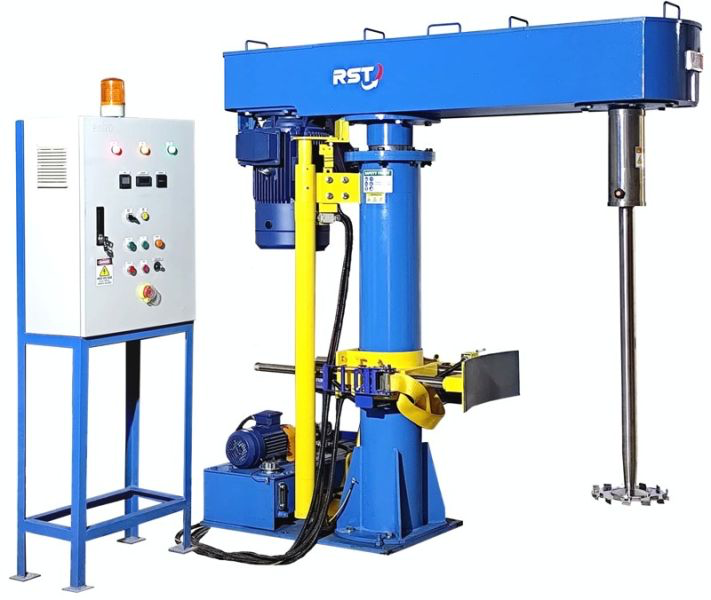
2. High Speed Disperser (HSD) Mixer
High Speed Disperser Mixer disperses fine solid particles into a liquid at high speed, commonly used in the paint, ink, adhesive, and cosmetics industries.
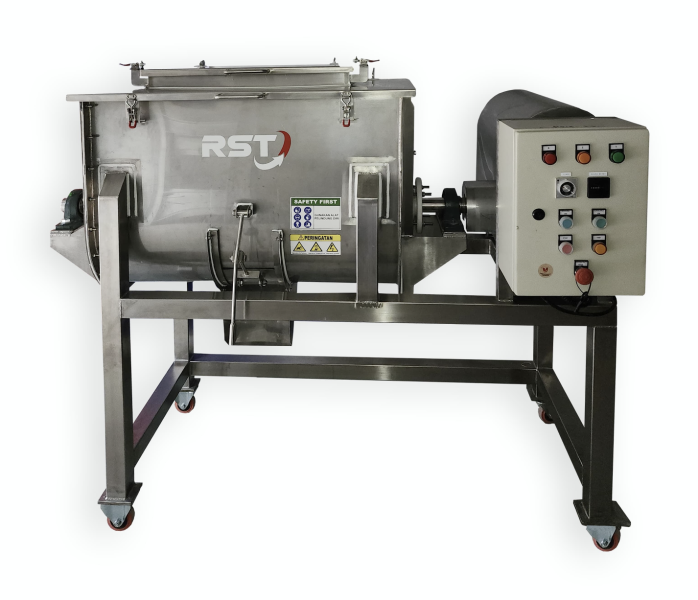
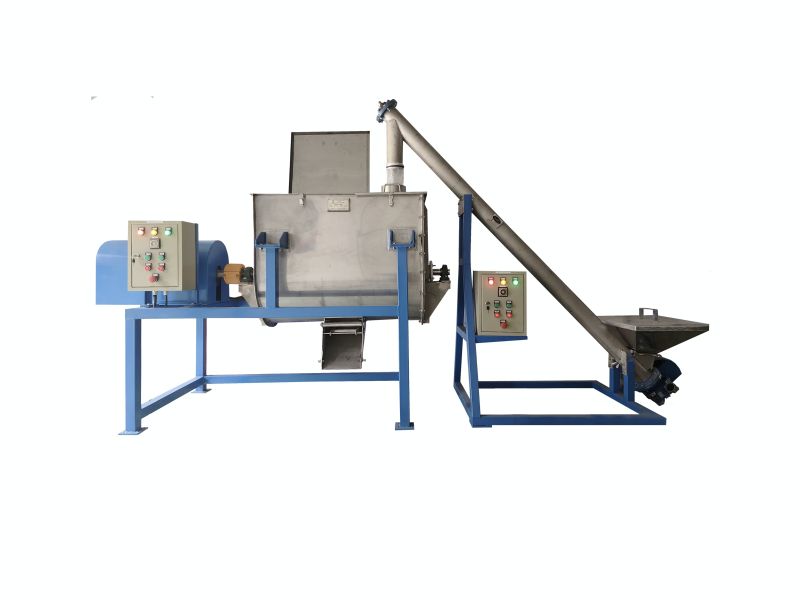
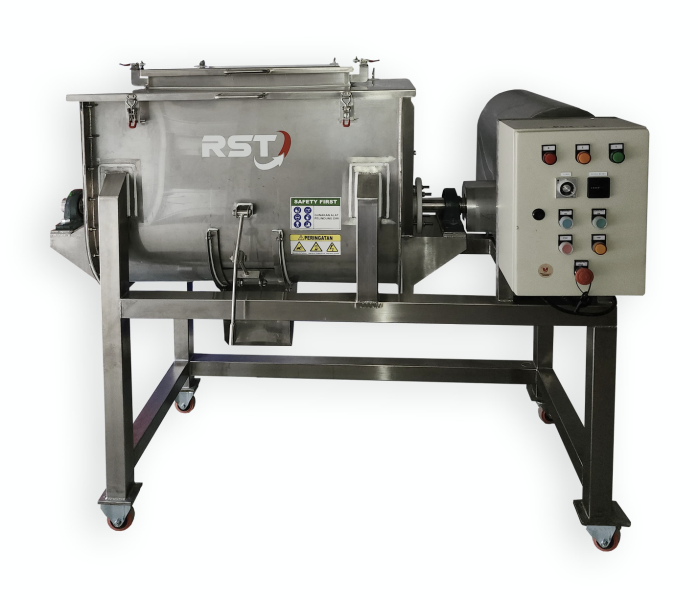
3. Ribbon Mixer
Ribbon mixers are specifically designed for blending powders and dry solids, such as animal feed, flour, seasoning, and powdered chemicals. The double-ribbon design ensures even mixing from one end of the vessel to the other.
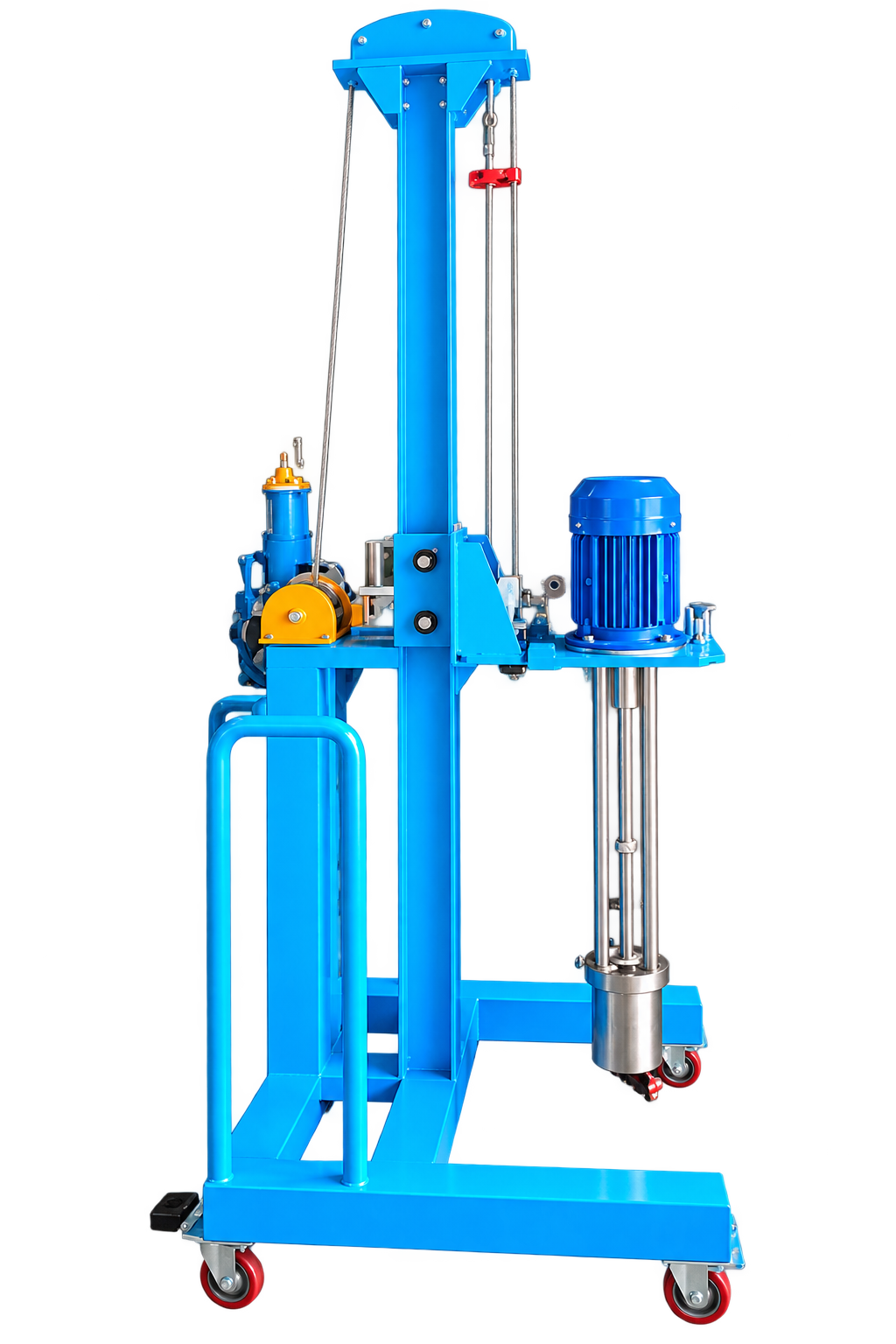
4. Jet Stream Mixer (Rotor-Stator System)
Jet Stream Mixer or rotor-stator based mixer generates a high-velocity vertical flow that mixes the entire tank content — both micro and macro — without forming a vortex, resulting in significantly higher energy efficiency compared to conventional mixers.
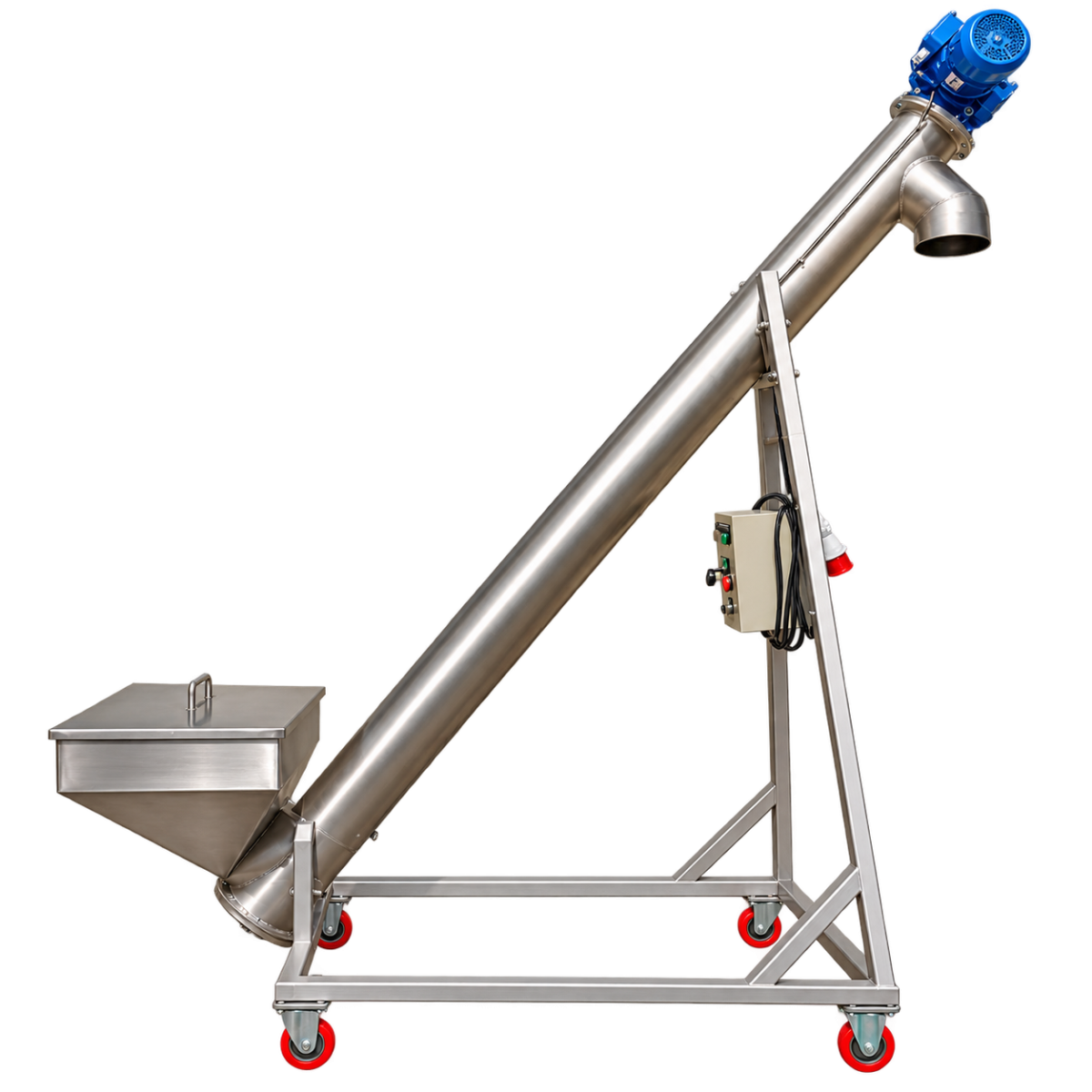
5. Screw Conveyor
While not a mixer in the direct sense, screw conveyors are often an integral part of industrial mixing systems, used to transport powders or solid materials between process stages continuously and hygienically.
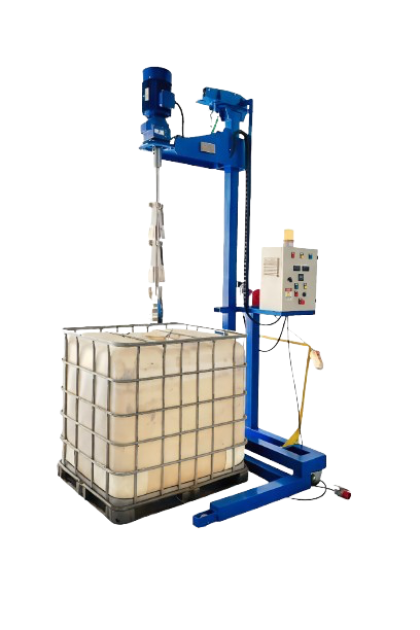
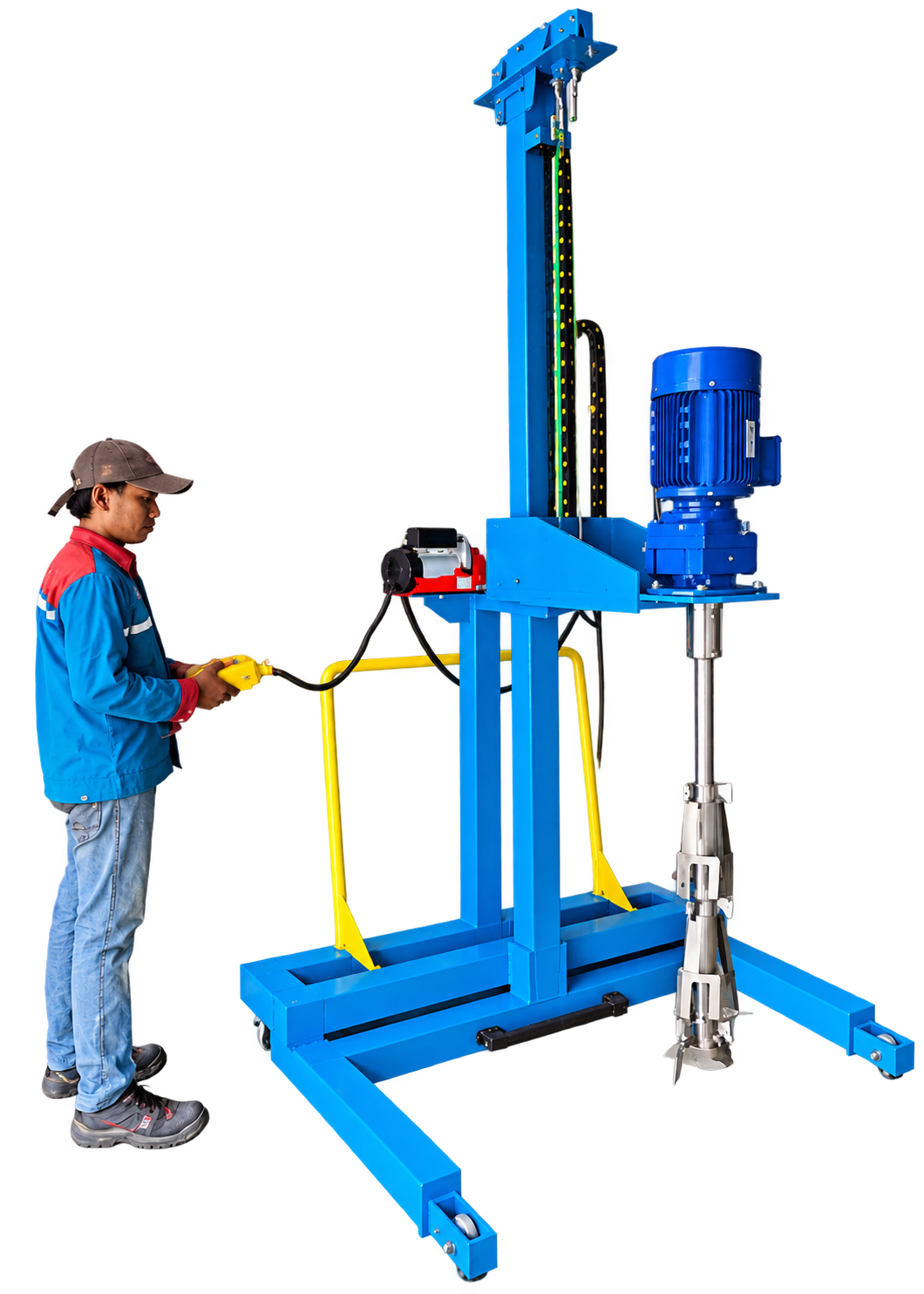
6. Intermediate Bulk Container Mixer (IBC Mixer)
The IBC Mixer is a mixing machine designed to blend liquids directly inside an IBC or tote tank, eliminating the need to transfer material into a separate mixing vessel. It has a double folding blade system, the blade folds when inserted through the bung opening of the IBC lid, then unfold automatically via centrifugal force once the motor starts.
Industries That Rely on Mixing Systems
- Chemical and petrochemical industries
- Pharmaceuticals and cosmetics
- Food, beverage, and animal feed
- Paints, inks, and coatings
- Water and industrial wastewater treatment
- Construction and building materials
How to Choose the Right Industrial Mixing Equipment
Before selecting a mixer, consider the following factors:
- Material characteristics — viscosity, density, particle size, and chemical properties of the materials to be mixed.
- Production capacity — batch volume or continuous process requirements.
- Construction material — such as stainless steel 304 or 316L for industries requiring high hygiene standards, like pharmaceuticals and food.
- Special requirements — whether a closed system, vacuum, jacketed (heating/cooling) tank, or specific certification is needed.
- Long-term energy efficiency and maintenance costs.
Industrial Mixing Solutions from PT Rho Sigma Trijaya
As a manufacturer of industrial mixing machines and process equipment in Indonesia, PT Rho Sigma Trijaya delivers mixing solutions engineered and built around each client's specific production needs. Our product line includes:
- Tank Agitators
- High Speed Disperser (HSD) Mixers
- Ribbon Mixers
- Jet Stream Mixers (Rotor-Stator System)
- Screw Conveyors
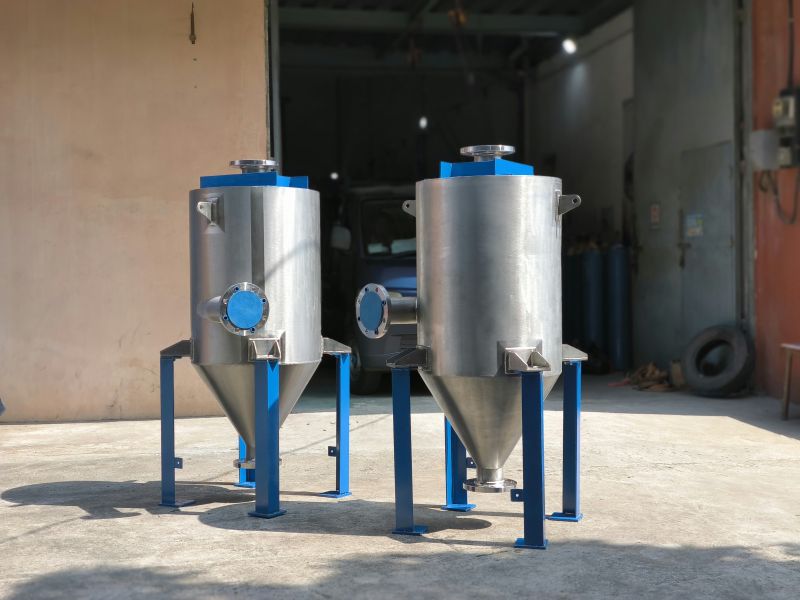
- Stainless Steel Tanks & IBC Tote Tanks
- Custom-designed special purpose machinery
Every unit is engineered with energy efficiency, material durability, and ease of maintenance in mind, supporting a wide range of industries from chemicals and pharmaceuticals to food production and wastewater treatment.
Conclusion
Industrial mixing is far more than simply combining ingredients — it's a strategic production step that determines product quality, process efficiency, and competitiveness in the market. Choosing the right mixing equipment, tailored to your material characteristics and production needs, directly translates into better, more consistent output.
If your company needs consultation or a custom-engineered industrial mixing solution, the team at PT Rho Sigma Trijaya is ready to help — from design and manufacturing through to installation.
Contact PT Rho Sigma Trijaya for a free consultation on your mixer, agitator, ribbon mixer, and industrial process equipment needs.